Perry Brass hangs out in Southhampton, 1976. Note: Mark Spitz mustache.
Sometime in the mid-60s and into the 1970s, Sunday became “the” gay day. I know, the idea sounds a bit crazy. Why would God’s day, once dedicated to church, family, bad food, and other mortifications of the flesh become queer as 3-legged goose? I think there are lots of solid reasons why. A few would be:
By the mid-60s and especially by the mid-70s, there was enough of an urban gay culture that a lot of men, myself among them, started to really resent the fact that they could not come out at work. In the 50s, your greatest hope was not only that you’d
never be out at work, but that no one on American soil got a whiff of what you did in your bedroom. Or any other places. But in the next decade or so, it became apparent that work = closet was miserable. Pure shit. The weekends were for
you (and many of my friends actually began their weekends on Thursday nights, knowing that they could coast through Friday if they had to) and Sunday was the last day you had to be your
real self.
After that, it was indentured servitude inside the closet for most guys.
There was also the idea that Sunday was for you and your friends. It might turn romantic, especially at the bars that offered free buffets on Sundays (more about that later), but staying overnight Sunday with a new friend (or “trick,” not a word I’m crazy about if you read my book
How to Survive Your Own Gay Life, but it works, too) was often not in anyone’s cards—which meant that Sunday’s trick could turn even more romantic because you might make another date with him, if you’d not had enough of him Sunday evening.
So Sunday in New York became this great
gay-licious holiday, and there were so many ways to do it, depending on where you lived and at what point in the calendar you did it.

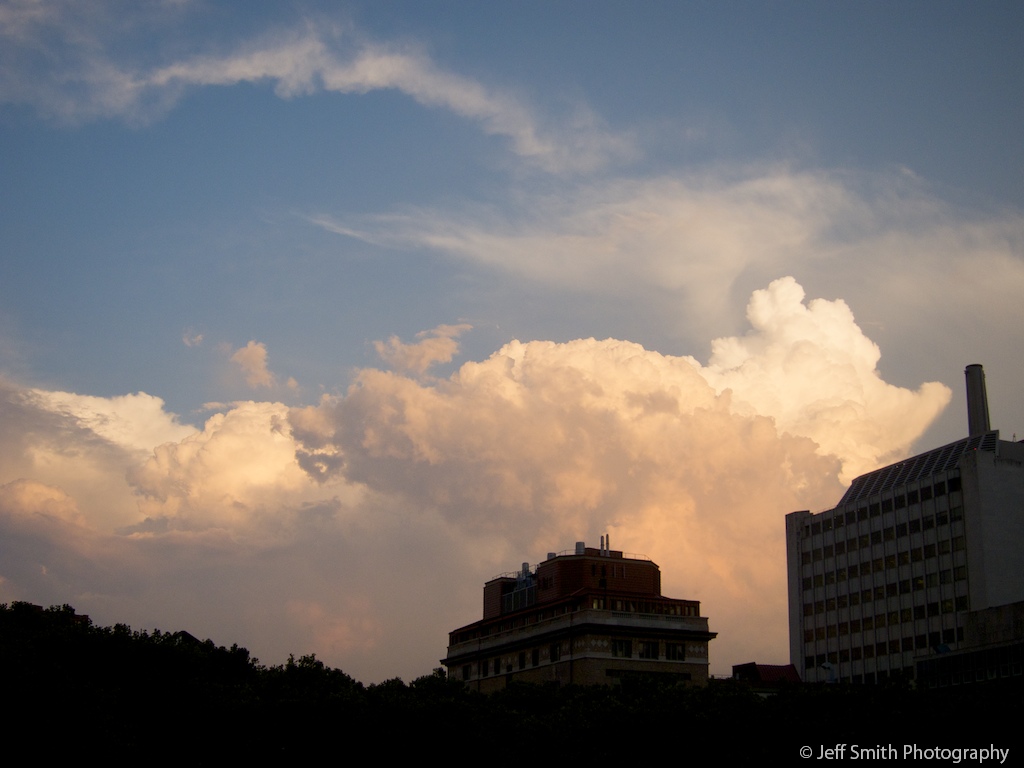 Occasionally, we are blessed with afternoon thunderstorms in the summer, yielding a beautiful view after they have passed over; having washed away all the dog crap from the streets.


%5B1%5D.jpg)




 Tony liked the beagles from Cascade Beagle Rescue, East, best of all. The CBRE volunteer in the photo at right told us she thought the beagle in her arms had been about ready to fall asleep because she had felt her getting heavier and heavier. Aww.


